Home Blog Page 24

Green Days by the River Premiere – Michael Mooleedhar Interview

0

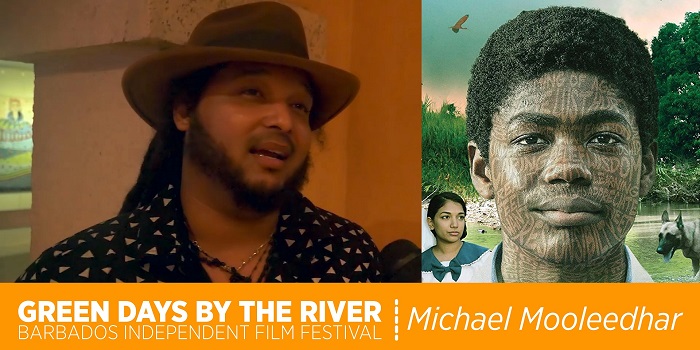
At this year’s Barbados Independent Film Festival, we were able to speak to Michael Mooleedhar, the director of the Trinidadian film Green Days by the River – based on the classic Trinidadian novel of the same name – at the film’s Barbados premiere in Limegrove Cinemas.

Far more about the film from Michael Mooledhar, check out the other interview we did with him earlier this week. And make sure you watch the film in cinemas in Barbados on January 18th.

From Student to Stage

0

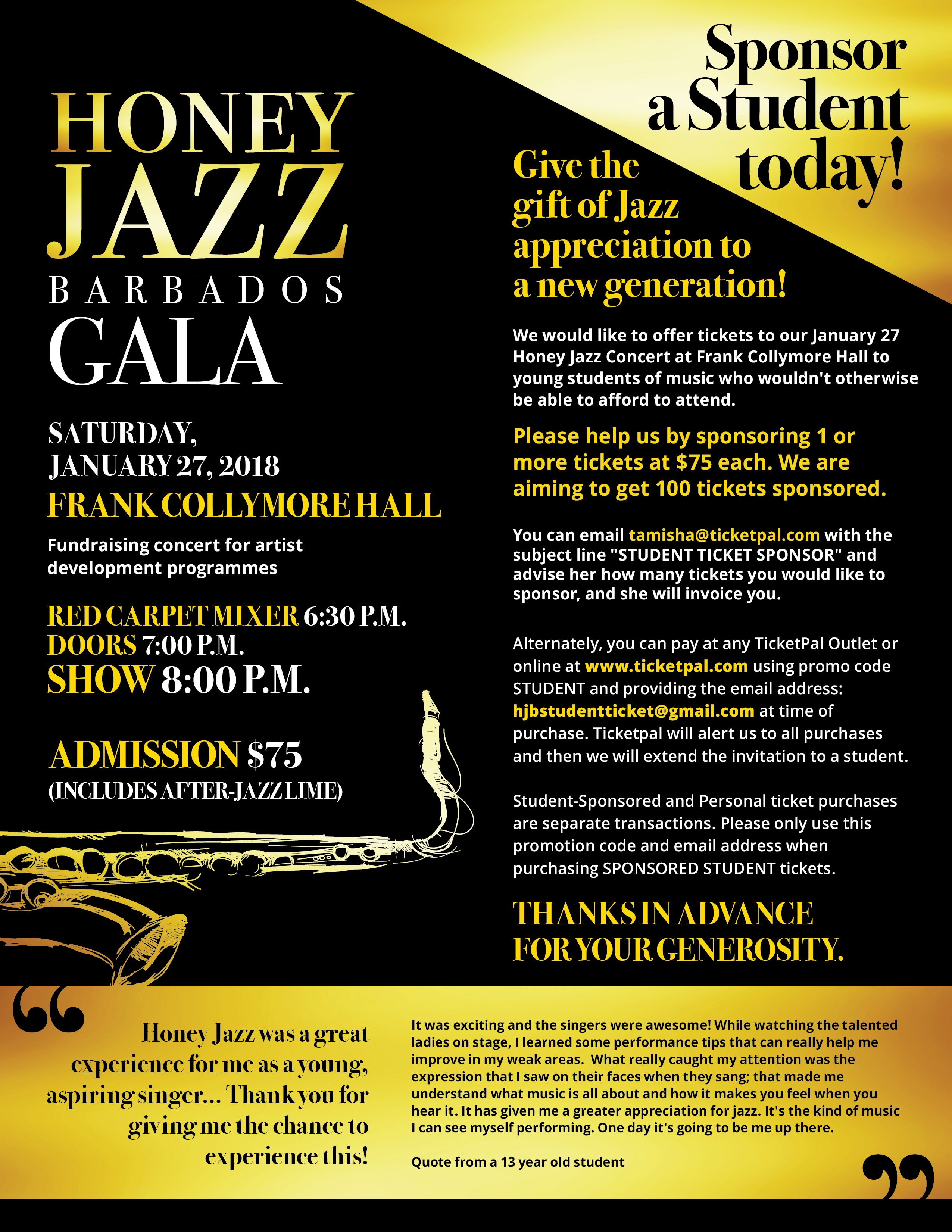
Every year Honey Jazz runs a Student Ticket Sponsorship Drive in an effort to allow music students across the island – including those from the Barbados Community College and the Barbados Youth Orchestra – who would not be able to afford a ticket to the event, to attend its gala concert.

Previously a one night only engagement, Honey Jazz last year expanded into a four-day festival which featured not only musical performances, but a film screening as well.

Honey Jazz and Honey Jam Barbados founder, Ebonnie Row, describes in her own words the importance of the Student Ticket Sponsorship Drive as well as provides testimonials from a beneficiary of the drive and a local musician.


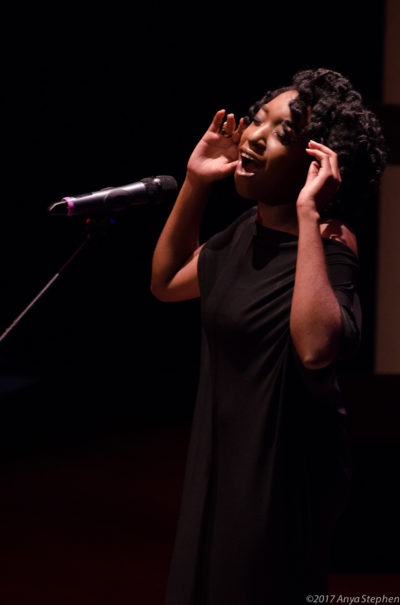
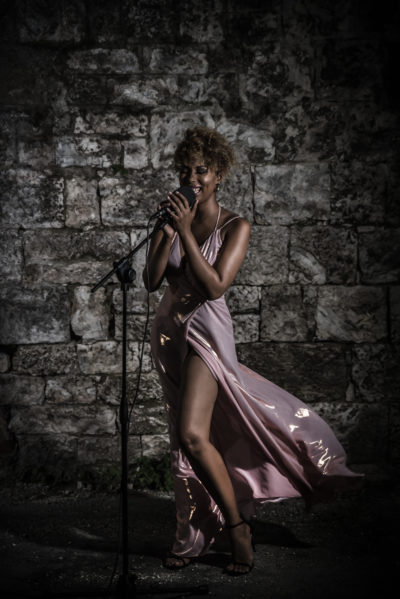
Jessica Hunte. Photo provided by Ebonnie Rowe. Photography by Anya Stephen.

Jessica Hunte was a student who was chosen in 2015 to receive a sponsored ticket to attend Honey Jazz. 2 years after that, while studying at BCC, she was matched with Ebonnie Rowe to be her mentor and through that relationship was offered an opportunity to perform on the Honey Jazz stage.

Jessica Hunte:

“I was 16 years of age when I heard the name of the show, “Honey Jazz”, I was immediately excited that I was chosen to experience the show, as jazz is my most favorable genre. I was very happy sitting in the audience listening to each artist’s delivery of songs that were familiar and also unfamiliar to me, and falling in love with some of the unfamiliar ones. I remember admiring each artist’s chosen wardrobe and style for the show and their performances as well. I’d always get excited, feeling chills from some of their performances and interpretations of their song choices. It was an awesome experience and a great night. Being chosen to perform at Honey Jazz now is a fulfilling experience. It embodies the elements of performance of my interest. In addition, knowing that my first time preforming was the first year it became a festival, made me proud. I believe that exposure and access to the arts is very important, and any opportunity such as this one, are great for artist development. “

We’re doing our Student Ticket Sponsorship Drive to be able to offer tickets (@$75) to our fundraising gala concert to youth who might not otherwise be able to afford to attend. It’s an impactful musical experience for them and they are so excited to be a part of the audience, inspired by the musicians and singers.

I also felt it was important to introducing young musicians to this genre as there isn’t a lot of opportunity for them to hear it in their day to day lives with the airwaves dominated by soca, hip hop, dancehall and pop. Jazz music helps to build a depth of musical understanding to musicians and singers as well as self-discipline, flexibility, and improvisation something that requires deep knowledge of harmony and music theory.

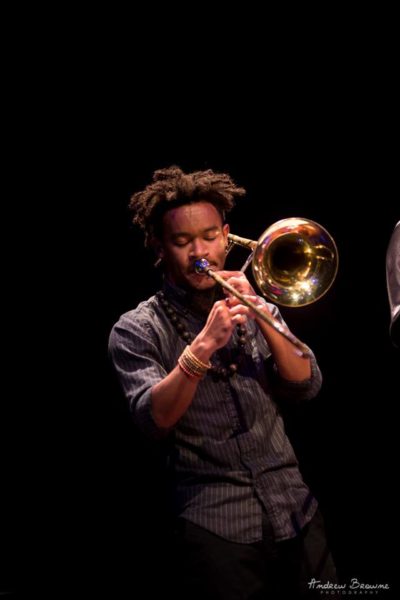
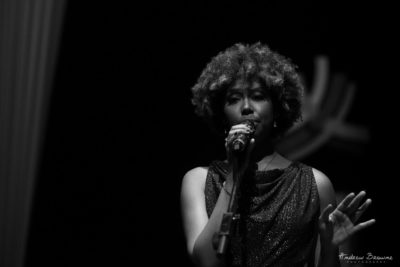
Jomo Slusher. Photo provided by Ebonnie Rowe. Photography by Andrew Browne Photography.

Jomo Slusher:

“When you look at the music scene in Barbados, there is Jazz influence at every level. It is part of the core of our music, so to be exposed and understand jazz and the history of jazz is also to understand more about our own musical identity. This exposure is key for the development of young singers and musicians because the only way you build an understanding of Jazz is to be fully immersed in it. For young musicians to attend a show of this nature opens up the possibility of them aspiring to perform at that level and also it brings the music closer to home as watching youtube videos and listening to albums can never replace watching and hearing live performances. When I perform at the rare jazz events in Barbados I always have young people approach me wanting to know more about the music. The interest is definitely there, it’s just for them to be given the opportunity”

When we first introduced the sponsor a student initiative a few years ago, we couldn’t keep up with the number of people who wanted to participate and we were able to give tickets to the Barbados Community College music programme, Coleridge & Parry and Harrison College School music programmes, Barbados Youth Orchestra, Operation Triple Threat, music tutors, etc.

However, each year as the economy becomes more challenging the numbers have declined significantly. By this time we would normally have 70 tickets sponsored but so far we just have 2 so we’re making an appeal.

Anyone interested in sponsoring a student can email honeyjazzbarbados@gmail.com

Click for full size image.

BIFF 2018 Interview: Jennifer Smith-Bent

0

Additional reporting by K.F. Cumberbatch.

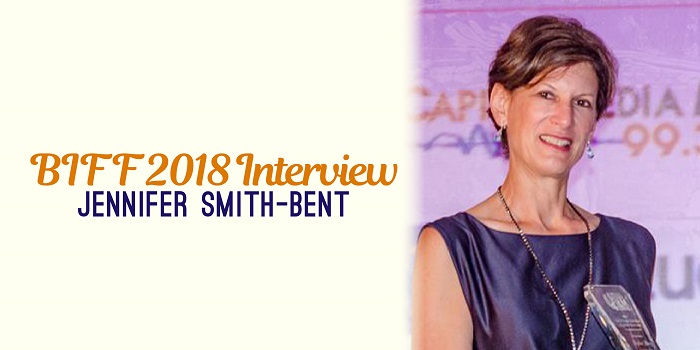
Jennifer Smith-Bent is the co-founder and co-director of the Barbados Independent Film Festival. As stated on the festival’s website: “Prior to her move to Barbados, she worked as Vice President for the National Geographic Society in Washington DC, responsible for the global expansion of the Society’s Science and Exploration programs. Additionally, she has 12 years’ experience forging media and program partnerships for Discovery Communications. A former print journalist in Alaska and Mexico, Jennifer has a love for film, photography and for communicating current events and stories that impact the world and our daily lives.”

We spoke to her at the festivals Meet the Filmmaker’s media events on January 8th.


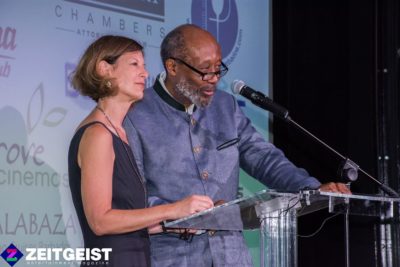
Jennifer Smith-Bent with co-founder and co-director of BIFF, Sir Trevor Carmichael.

Zeitgeist: This is 2018, what are your hopes for this year’s festival?

Jennifer Smith-Bent: I hope to at least meet the expectations of the festival that we put on last year, because I was just so pleased with how it came off last year. But of course we had a little bit more time and a little bit more support this year with our volunteers and all of our sponsors across the board. So we actually ended up making it slightly bigger, slightly more involved and a lot more exciting and [we have] a lot more diverse programming. So I’m very pleased with how it came out.

Z: The lineup this year – of films – to say the least, they have created a lot of buzz online. Especially from Green Days by the River. Tell us what was your procedure in choosing the films to come here and be showcased on the island.

JSB: We have a diverse way of doing things. We are on Film Freeway, which is a submission platform that goes around the world that all the major film festivals use in order to advertise and to solicit submissions. We have a submissions process and we have a number of judges who then review the submissions and then we select the best ones and we look for the most compelling story telling and the quality of filmmaking.

We also keep our eyes out for compelling films that we think will really resonate with our audiences here in Barbados. It’s a real mixture, word of mouth; people coming to us with films and saying: “We think you’d really enjoy it.”  So it’s a variety, but we’ve been really lucky this year to have an amazing, eclectic and compelling mixture of films. From environmental documentaries, to a documentary about Machel Montano, thrillers and various comedies and we kind of go all over.

Green Days of course is just a magical film. It was very well made and if you’ve read it in school or know about it will certainly bring a lot of nostalgia to the film; which is stunning. It’s just beautiful. The fact that we have Michael Anthony, the author, who is 87 years old but wouldn’t stay home – he wants to come and we’re so thrilled to have him. He’ll be at the actual screening as well at Limegrove on Thursday night.

Z: In the last couple of years we’ve seen an explosion of interest into independent films being made in Barbados. Were you surprised by the interest or did you really expect to see it coming?

JSB: You know, I am not surprised by the interest, but I am thrilled by the people that have come up to me and said that they’re excited about the festival. We offer workshops for everybody and anybody, but particularly our filmmaking community and this year we have some amazing workshops. We know It’s the exchange of ideas and it’s the collaboration with other people in the industry that really kind of make the difference.

So we’re just thrilled to have, say, Ed Neumeier here, who’s the creator and writer of the original RoboCop. He wrote that when he was twenty-six years old. Anybody in sci-fi knows who he is and he’s here to kind of talk about his process and how he developed his program. And we welcome anybody to come see that film and also to learn about his process. Because you never know, maybe there’s a budding filmmaker in you and you just never realized it. So we want to make sure there’s opportunities and the conduit to information and these experienced individuals.

We also know there’s a lot to learn from our local filmmakers, who are doing really, really good storytelling and they are making world class films. We have Abiola by Rommell Hall, we have Mermaid by Vonley Smith, we have some wonderful short films by Kerry-Lynn Coppin. Some wonderful films that we’ll be showcasing by our local filmmakers as well.

Z: When this festival is finished, what are your hopes for the future of this festival? What would you really like to see happen in 2019 that isn’t happening in 2018?

JSB: My hope and my expectation is this will be an ongoing festival and over time it will really become considered a community event. As much as it requires sponsorship, more importantly it requires community support in the sense of volunteer efforts to help us get it up and running, but also to come and see the films. And I think over time we will build that and people will come because it’ll be a wonderful, wonderful event and everybody will enjoy being part of it. So it’ll be an expression of Barbados, because we bring in unique cultural aspects to everything we do at the festival, but it will also be an interesting and internationally kind of relevant festival around the world.

Z: Have you realised over the last couple of years the interest from tourists in the festival? I was there last year; an interesting number of tourists actually were interested in seeing what films are being shown.

JSB: Oh absolutely. I mean, I see it as a huge aspect of people coming to Barbados and coming to see a film festival and I think people are interested in local filmmaking as well as the independent international filmmaking. We were just at the airport yesterday welcoming some of our guests and we had a sign up and people were coming up to me who were tourists and saying: “Oh how do I learn more about the festival?”

So if anything, a bigger task for us is how do we get the word out to all of the hotels and all of the people in the homes that are coming here on vacation or spending some time in Barbados. Because we think that that’s a huge attraction. The difference with it is there’s a lot of film festivals around the world that use it specifically to attract tourists and such. We do it because we care about filmmaking and we think it’s an important community event, but we recognize that there’s also a huge benefit to having one of the premiere film festivals in the region to attract

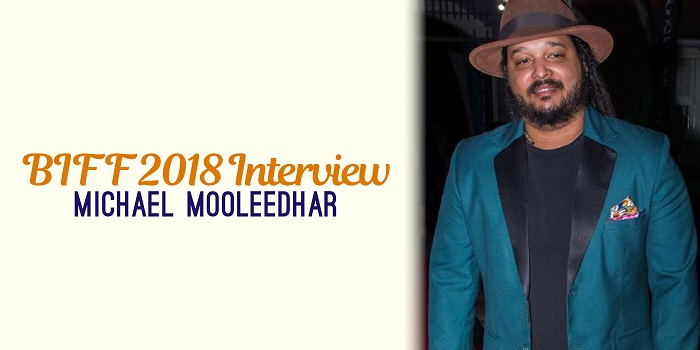
BIFF 2018 Interview: Michael Mooleedhar

0

Additional reporting by K.F. Cumberbatch.

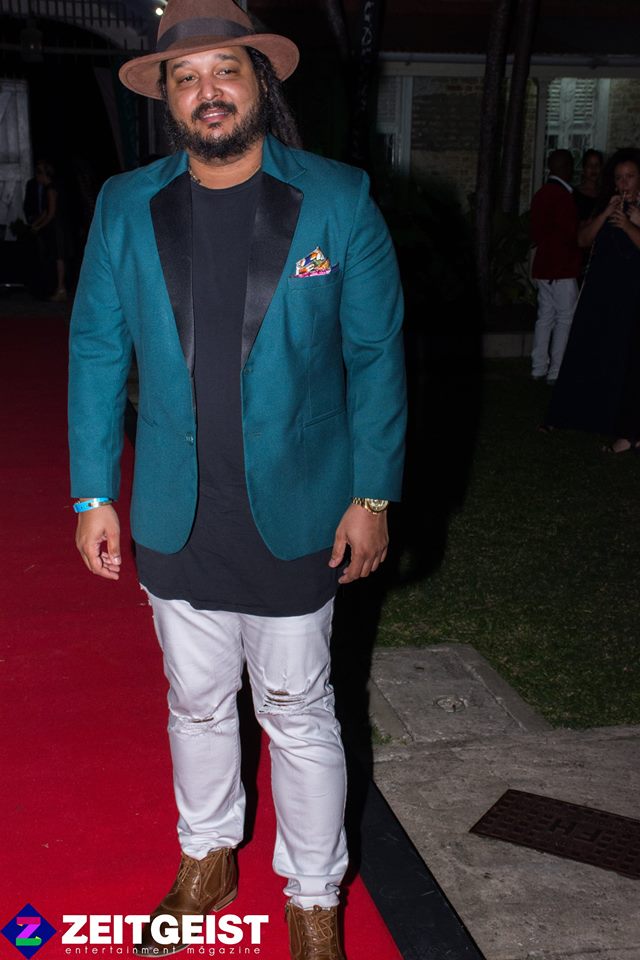
Michael Mooleedhar is the director of the Trinidadian film Green Days by the River, which was released in Trinidad last year at the Trinidad and Tobago Film Festival, where it won the awards for Best Feature Film and People’s Choice: Best Feature Film.  It is set to premiere in Barbados on January 11th during the Barbados Independent Film Festival (BIFF) at Limegrove Cinemas. Just one week later, on January 18th, the film will open in cinemas on the island.

At the Meet the Filmmakers media event on January 8th that preceded the start of the festival on January 9th, Mooleedhar spoke to this publication.

Zeitgeist: For our readers, give us a bit of background for the film. How was it conceptualized?

Michael Mooleedhar: It’s an adaptation of a book that was published in 1967 [of the same name]. So this book is very much a Caribbean classic and it’s been on the CXC syllabus. In Trinidad and Tobago when we announced [we were] making the film [there was] a wave of excitement, because it’s like one of the first times you’re seeing a Trinidadian book being adapted into a movie.

I went to school with the producer of the film. We did our Bachelor of Arts in Film together and that is where we met. He went on to do his Master’s [in] Producing in Chicago and when he came back from that we sat down and discussed some projects and the script was available. We decided to take out an option on the rights to the book and it just kind of moved from there. It basically took us three years to make the movie. We got the rights in November of 2014, we spent 2015 funding, we managed to film ending the summer of 2016 and then we released in in 2017.

Z: As a Caribbean person you know we have a lot of literature. So why this book in particular?

MM: I read the script before I read the book. So the script came to me and I read it and I gave it to Christian, the producer. He liked it and then I said: “Lemme read the book itself.” And I think I decided to come from that space. I just like that we’re going so far back into the history of the Caribbean. Because a lot of the movies you’re seeing, to me, sometimes they may be a little more “gangsta.” I want to make a nice family kind of movie that you never [experienced] before and this held all of those things.

And then luckily enough we knew we could get funding based on the book and [its] popularity, because when we approached the author he said like 800,000 copies had been sold throughout the Caribbean. So I think for us that was very inspiring to know that, you know, we were dealing with a piece of literature that had such a classical weight to it and when I read it I was like: “Yo, this story.”

It’s weird. It doesn’t have a lot of story if you think about what happens in the book. Because it’s just a young boy – Shell – who’s 15 years old. He’s in a love triangle and his dad is sick and he has Mr. Gidharee, who’s his neighbor, who kind of begins to almost adopt him and kind of help him, but you know he has different intentions; to control his life a little. And I just felt like it’s a story that hadn’t been told. So it was really important for me to bring it to .

When you watch it you really realise [we] put a lot of energy and effort and texture into [it]. It’s like a movie you’ve never seen before. And I think that’s what the script and the book also [do]; it’s like a book you never really experienced before. It’s a sense of pureness and connected[ness] to nature. You know those simpler times? That’s what the story is. It’s so different from [the] way you’re living now and makes you think: “Oh wow. Like life was really so different back then.” But then kind of the same.

Z: While directing this film, what is something that you learnt that you didn’t know before.

Your first feature film is like…a monster. You just don’t how it’s going to come out but it’s a lot of work. I would say I grew as a director in the process. When you attend something like [BIFF] I just had to know every aspect of it. And I think I just got to this different level. I think I learned better management. I learned how to run my set and how to tell the story I want.

Now, when you now start directing it’s hard to get to that place, I think, because you’re starting with short films and you learn and then you have people on set that can influence you and all that. Now you’re trying to get into this space where you’re telling the story and executing and I think feature films do that for you because when you watch the movie, if you don’t know what you’re doing it shows – really easily. So it’s kind of like that.

So I just basically became a better filmmaker making the movie. So now I’m excited. I don’t have a next project totally lined up. I have ideas, but I’m excited to do something else to bring all of that knowledge to a next movie.

Z: Here in the Caribbean we are known for our folklore stories.

MM: Papa Bois…

Z: …and Anansi and all those sort of things. In your opinion, do you think that there is a market for these sort of adaptations or do you think it’s more niche; for those of us who would have known the background?

MM: I think that’s a very interesting question. I have to say my opinion is that there’s a definite market. An international and world market. But from my experience in filmmaking I feel like a machine, almost like a Hollywood or a bigger machine or studio would need to do that type of project because when I think [of] the scale we as filmmakers operate at – in [an] independent space – I don’t know if we have the resources. I mean, yea you have the way to pull it off, kind of, but if you’re doing it properly, the budget and the scale of it would be so big that it needs a machine behind it. So I think that there is a market.

It’s kind of weird. Who makes the movie and packages and sells it kind of affects the audience. So I definitely think [that] eventually the folklore will get out there. I’m not sure if we’re at the stage where we could scale It. I don’t know if you understand what I mean. And the market size [is not] there yet.

Where the money comes from and who makes it is very important. So even if we spend a bunch of money and make it in Trinidad and Tobago, because it’s not been distributed out of America or distributed in these bigger chains, it wouldn’t get the push unless a bigger company was to buy it. If it comes from there, then it gets the natural push. So that is kind of a weird system.

We find we’re swimming uphill once you’re making movies in the Caribbean and trying to get it out there and to distribution networks. It’s really hard to do. Whereas they’re making their movies in a system that’s already set up and built and pushing it out, you know. We’re trying to get into that.

Z: In your opinion, who is this film for?

MM: Honestly I think this film is for every Caribbean person to see. We were all under [the] British. Like when the film is set, in 1952, Trinidad wasn’t independent as yet. You know what I mean? So I feel like a lot of us have the same history. We played the film in Belize and they were asking me: “Where [was] the film shot?” because they find it looks like Belize.

I think it’s a Caribbean movie and every Caribbean person should watch it or who [is] connected to the Caribbean. And I very much think that’s our audience; the diaspora and people from the Caribbean and I think that people who [are] interested in world cinema will be interested in this movie.

Z: If there is one Caribbean piece of literature that you could think of right now that needs a movie, and you don’t have to direct it yourself, what would it be?

MM: I mean, there’s so many. You could just get into all of the V.S. Nipauls. The one I wouldn’t mind [touching is] A Brighter Sun.

Z: Oh really?

MM: Yea, yea, yea. And you know what’s weird? After doing Green Days, we had so much locations and we were out in the bush for 27 days and when I read, Brighter Sun I was like – because it kind of happens more or less in the living room – I was like: “Yo. One location…” And to make that interesting kind of excited me. That might be the one I wouldn’t mind doing. This adapting books is untapped. It’s an untapped market.”

Z: Yea. Really. It truly is.

MM: It’s ready to go. I would love to do more or at least set up a company doing that. It’s just the financial environment now, right, like in Trinidad at least, the way it’s going with oil and these kinds of things. I feel like we [caught] the end of the wave. Things [have] changed already in this one year where we had to fund a movie. Even though we did Green Days I think it’d still be harder to fund a movie right now. The economy got tighter.

I’m releasing Green Days by the River­ throughout the Caribbean. The Caribbean doesn’t feel like [it’s] “one” to me. Eventually if we could really make the Caribbean “one” you could have a Caribbean film industry.

When I made Green Days by the River I made it for Trinidad and Tobago and the Caribbean. Yea, we wanted to reach out into the world, but I [knew] I was making it for that. So I’m not making it thinking: “Alright when we play this in America.” I’m making this thinking: “When I play this in Trinidad. When I play this in Jamaica – I play it in the Caribbean.” I want that to be my market place.
BIFF 2018 Interview: Ed Neumeier

0

Additional reporting by K.F. Cumberbatch.

Ed Neumeier is the co-writer and co-producer of the 1987 film RoboCop, which will be screened as part of the Barbados Independent Film Festival on Saturday, January 13th at Olympus Theatres. He is also the writer of Starship Troopers and three of its sequels as well as Anacondas: The Hunt for the Blood Orchid.

Neumeier will also participate in a filmmaker’s workshop about screenwriting and science fiction. We spoke to him during the Meet the Filmmaker’s media event on Monday, January 8th.


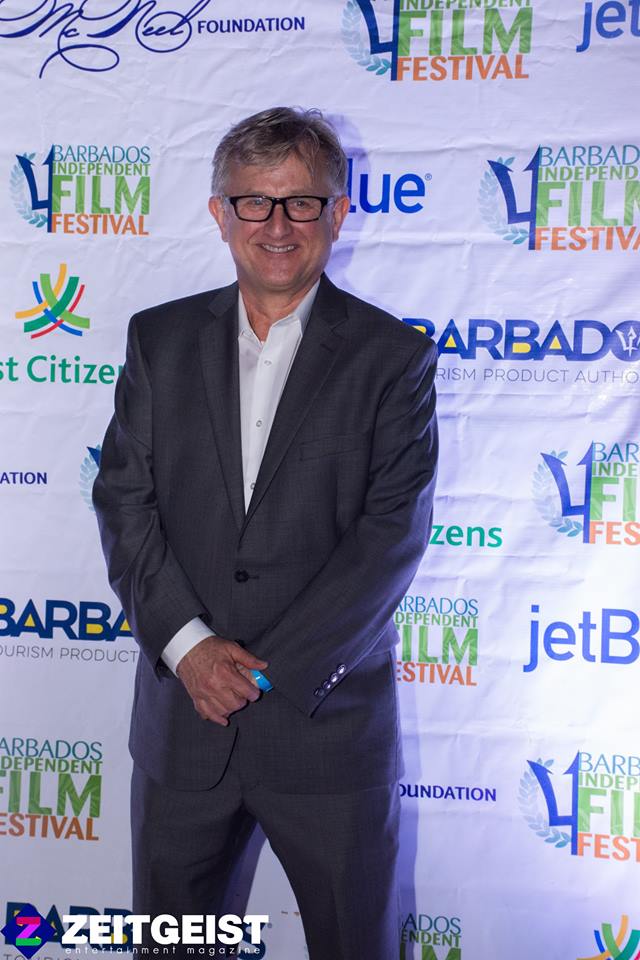
Ed Neumeier at the Gala Opening of BIFF 2018.

Ed Neumeier: There’s a whole young group of people out here – all over the world – who think they can make movies. And you know what? They can. The equipment is there. You can make a little movie if you have friends, if you have an idea and what I’m going to try to tell everybody is the most important thing is your idea. And if you have a good idea, no matter where you live you can make a movie. And with things like Barbados [Independent] Film Festival you can get it out and the world will see it. So that’s pretty cool.

Zeigeist: RoboCop is very much what you would call a cult classic.

EN: Thank you. I think so.

Z: What was this history behind RoboCop? What conceptualised it in the first place?

EN: I think it was my sense of humour. It was sort of how I look at things and way, way back in the 1980’s when I was writing this, you were supposed to write action movies that were exciting, but you weren’t really supposed to write action movies that were funny or satirical and I always thought you could do that. In the 80’s that was kind of a satire about corporate America and a little bit about what was going in law enforcement and policing and stuff like that. Those were topics that I thought I could write about in a fun way and luckily I hooked up with a bunch of talented people and the movie turned out really well.

I was very lucky to have a producer named John Davidson who produced the movie Airplane, which you might have heard of also, so he was a guy who encouraged you to do things that were funny. Then we got Paul Verhoeven – who is just a world class filmmaker – and he really bought into the whole idea lock, stock and barrel. So it worked out really well that way.

Z: At the time of filming RoboCop did you expect to have the cult following it has now?

EN: No. I don’t think you really. I had seen early screenings and people laughed at it so I thought: “Oh it might be successful” and it was more successful than anybody really knew it would be. I didn’t expect to be talking about it thirty years later. It was kind of the start of my career and later we did Starship Troopers – which was an enormous movie that took forever. I think all of that came out of that and it’s nice that people are still interested in RoboCop and they have me working on a new one at MGM right now so maybe we’ll get another one out of it.

Z: Could you give readers some sort of teaser as to what it’s going to be about?

EN: Well, here’s what I’ll say. We’re not supposed to say too much. There’s been a bunch of other RoboCop movies and there was recently a remake and I would say this would be kind of going back to the old RoboCop we all love and starting there and going forward. So it’s a continuation really of the first movie. In my mind. So it’s a little bit more of the old school thing.

Z: Is this your first time here in Barbados?

EN: It is. Yea, it is.

Z: How has it been so far?

EN: Well I’ve only been here for a few hours but, it’s beautiful what I’ve seen of it. It looks lovely. We all know Rihanna so we think of that, but this is my first time in the Caribbean. Maybe you should ask me in two more days.

2 Mile Hill Releases ‘Conversation’

0

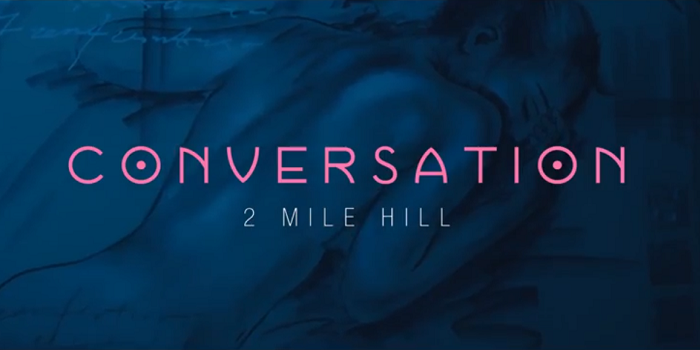
At the start of the New Year the Barbadian band teased that they would be releasing new music today, January 10th and they have kept their promise. Earlier this afternoon the band released their latest single “Conversation” along with its music video. The song premiered on local radio station 98.1 The One this morning.

An undeniable slow jam, lead singer Mahalia Cummins sings to her lover, inviting him over “after hours” for some “deep, deep conversation.” The steamy music video, which was directed and edited by Jahket, sees Cummins awoken by dreams of her lover and texting him to come over. As she waits for him she takes a milk bath and upon his arrival, she takes him to the living room where he receives a lap dance. The video is intercut with shots of Cummins lying in bed in pink lingerie.

The single is available to download for free for a limited time only from the band’s website. It’s also available on Soundcloud.

Watch the video below.

Featurette with Alyssa Goddard

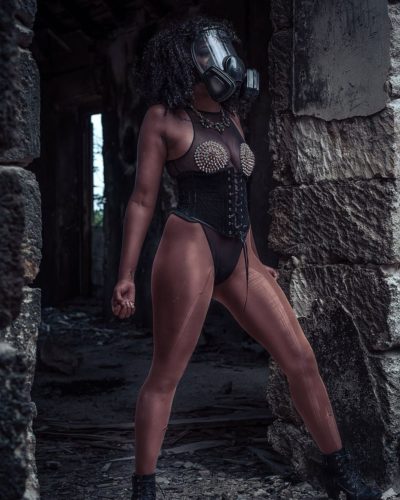
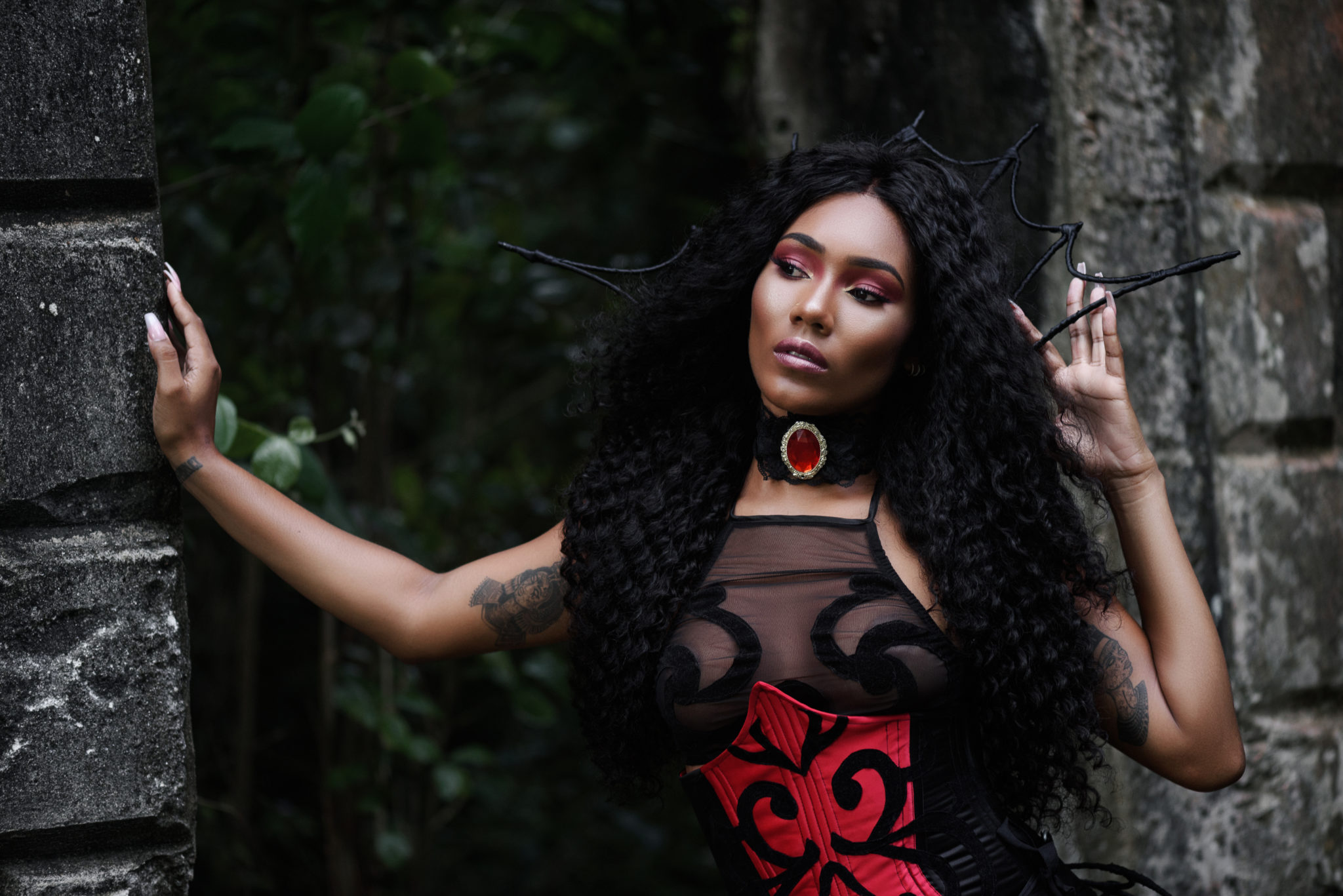
Alyssa Goddard is the owner, designer and creative mind behind Cambria Costume and Design, a design company which was launched last summer. She is also one half of the winning duo of last year’s first edition of Xhosa’s Design Challenge and last year designed a section of the Meta Worldwide Kadooment band. She took a little time out of her day to speak to us about her career.


Photo provided by Alyssa Goddard. Photography by @imagesbyrad.

Zeitgeist: How long have you been a designer? What made you get into it?

Alyssa Goddard: I’ve been designing for about 10 years now. I first showcased at BMEX [in] 2009. I’ve been around fashion my entire life; my grandmother was a needle worker, my mother is a needle worker and my older sisters both modeled. [For] my first photo shoot I actually used my oldest sister as my model.

Z: Did you receive any kind of training or education in Fashion and/or Costume Design?

AG: My mother was and still is my teacher.

Z: Has she had any training or education or is she self-taught?

AG: It’s something that you can say runs in the family; my grandmother was her teacher.

Z: Will you be continuing that tradition?

AG: If my daughter is interested, yes.

Z: That is a very unique family heirloom. Who are some of your design idols?

AG: Lol yes my family is very artistic. At the top of my list would have to be the late Alexander McQueen. I still watch his fashion shows. John Galliano and Tim Burton – who is actually a writer and director – but his films really inspired me.

Z: Tim Burton’s films do have a very distinct aesthetic. Other than his work, what inspires you as a designer?

AG: Life. I didn’t have the best childhood, I became a “loner”,  [there weren’t] a lot of people I could relate to, so I turned to art. My room was filled with sketches inspired by a lot of different things. I guess my way of bringing my art to life is by creating the garments.

Z: You recently launched Cambria Costume and Design, could you tell me a little more about that?

AG: Cambria Costume and Design was my rebranding. I had taken a break from fashion for a while. I honestly felt like I was going to give up. Barbados is a very difficult place to do what I really wanted to do as a designer, which is costuming for film. I felt like I would get stuck doing something like swim wear, but after I had my daughter in 2016 I decided to rebrand. Cambria is her middle name and in less than a year I’ve done things fashion and business wise I never thought I would have done so soon. Cambria is costuming for films, carnival etc and also fashion, which I plan to do more of this year.

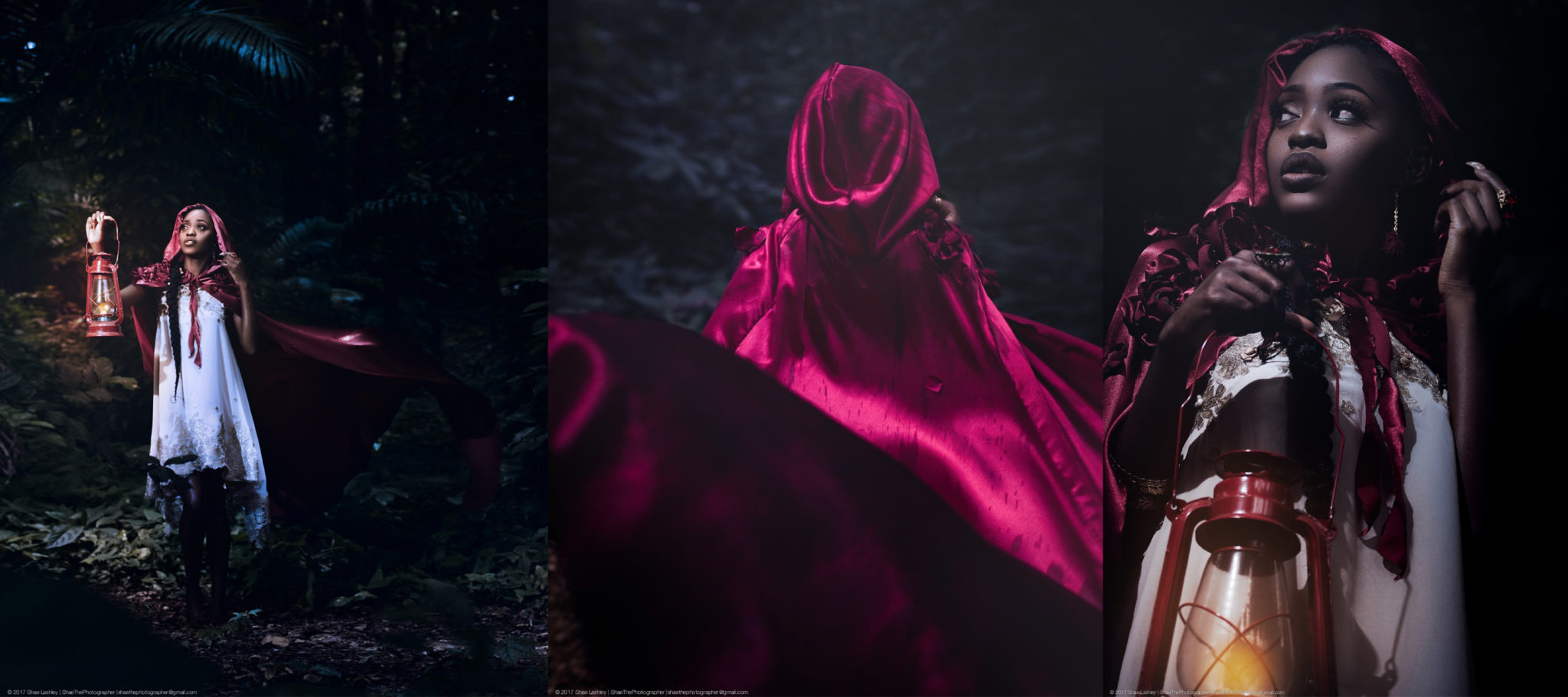
Photos provided by Alyssa Goddard. Photography by ShaeThePhotographer. Click for full size image.

Z: What was the name of your brand before you changed it?

AG: Melange Image. [Which] was co-owned by one of my sisters and a friend.

Z: You competed in and won the first edition of Xhosa’s Design Challenge last year, what was that like?

AG: It was hectic lol. I hate being in front of cameras so it was a new experience for me. [It] also was my first time making a carnival costume.

Z: What made you sign up for the show?

AG: My sister talked me into doing it lol. I always wanted to do Crop Over costumes but never had the opportunity to do so. I had a lot of sketches just laying around, she saw the ad and told me I should enter. [I] ended up entering as a team with [my partner] Caleb ‘cause he does all of my wire bending etc.

Z: Aside from having designed a section in Xhosa as part of your prize, you also designed for Meta Worldwide, how did you get involved in that?

AG: I actually met with the owner after I had sent in my application for Xhosa. He wanted more local designers, which was great ‘cause we have a lot of Trinidadian designers designing for Crop Over and not [many] opportunities for the local designers to get involved.

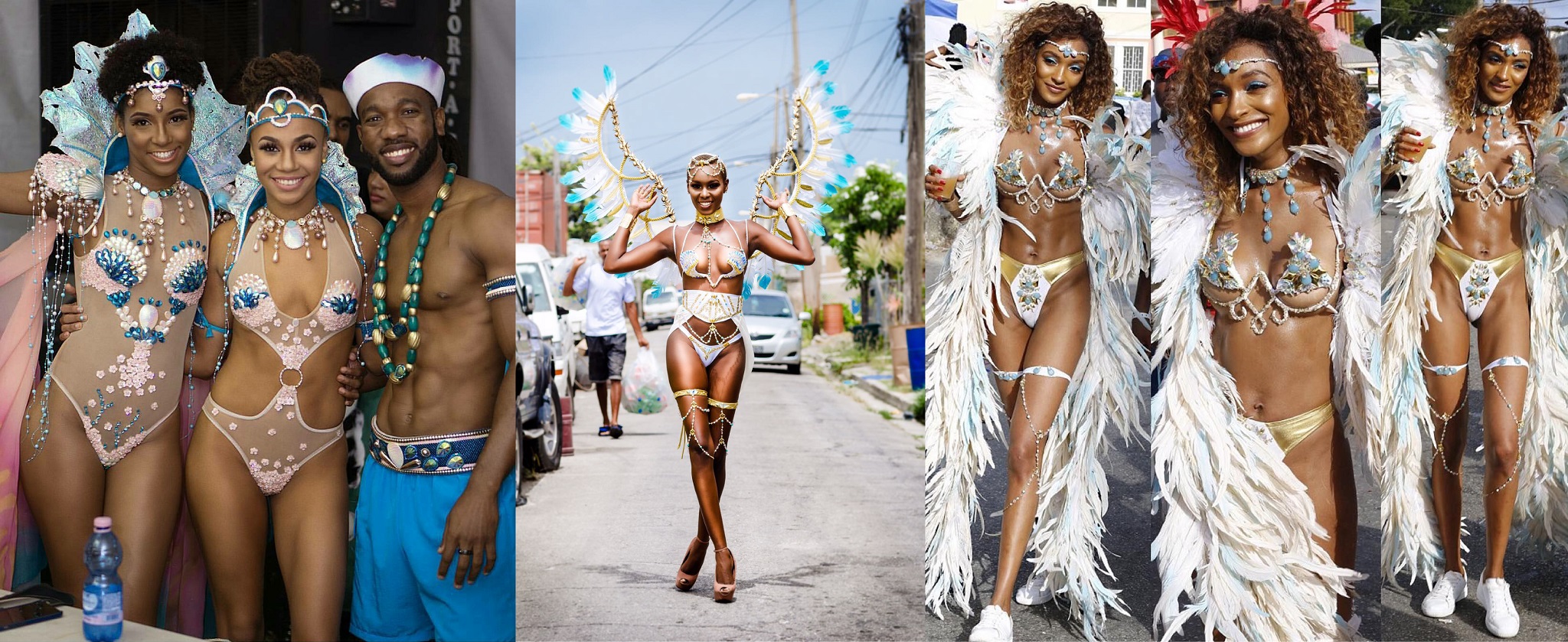
Photos provided by Alyssa Goddard. Middle photograph taken by Olivia Ordanisa. Click for full size image.

Z: So both opportunities sort of happened at the same time.

AG: Yes.

Z: You made costumes for one of the cosplayers in Meagan Marie and Hanime’s Cosplay’s Wonder Woman shoot as well as for one of the contestants in last year’s Star Strut, are designing for cosplay and model searches/pageants an avenue you see yourself delving into more?

AG: I love cosplay so yes. I actually did a fashion show at Animekon in 2012. I love Japanese culture and fashion. I got to do some fabric shopping in Osaka, Japan in September last year. As for school model searches/pageants, yes. I love working with some of the kids. This is actually my third time I think working with [Queen’s College]. I actually judged one of the shows a few years ago. I [was] also working with students for Kolij Runway a few years ago as well.

Z: Which student did you design for in last year’s Star Strut?

AG: Atara Padmore. She placed First Runner Up.

Z: You kind of touched on the limited opportunities designers have earlier, but I’d like you to expand on it a bit. Besides Crop Over, would you say cosplay, model searches and pageants are pretty much the only other opportunities costume designers have in Barbados to practise their craft?

AG: Basically, I’ve done work on a short film which went on to be nominated for a Barbados film award but there is no category for Best Costume Design. Opportunities are very limited and what makes it worst is the fact that you honestly have to know someone who can help you get your foot in the door. I find recently I’ve been getting a lot of DMs on IG from photographers who come across my page saying they never heard of me and they have been asking around or looking around for designers who do what I do to collaborate with for more creative shoots.

Photo provided by Alyssa Goddard. Photography by @imagesbyrad. Click for full size image.

Z: What short film was that?

AG: Dreamshire by Vonley Smith.

Z: Oh okay. I know that film.

AG: Yes I designed the Dream Keeper’s gown.

Z: That was a very beautiful gown.

AG: Thanks.

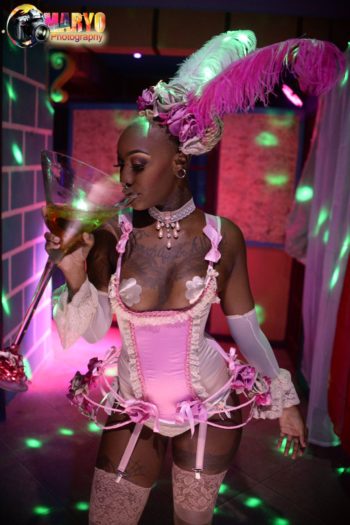
Photo provided by Alyssa Goddard. Photography by Maryo Photography.

Z: How do people usually react and respond to your work?

AG: I usually get: “Wow! Was this done in Barbados?”, which I think is silly, or “Omg! How comes you’re not more popular?” It’s usually good feedback.

Z: You said before that you plan to get more into fashion. So does that mean that people can expect a full collection from you in the future and possibly see your clothing in stores?

AG: It’s something I’ve been working on. Trying not to rush it, but hopefully I can launch a few pieces later this year.

Z: Are you looking to do more one of a kind pieces or ready to wear or both?

AG: Both; ready to wear but with a few exclusive pieces.

Z: What is your next project?

AG: I have a few projects, some which I can’t say much about. Also working on this year’s Crop Over costumes and a few photography projects which I’m really looking forward to.

Featurette with Leigh Phillips

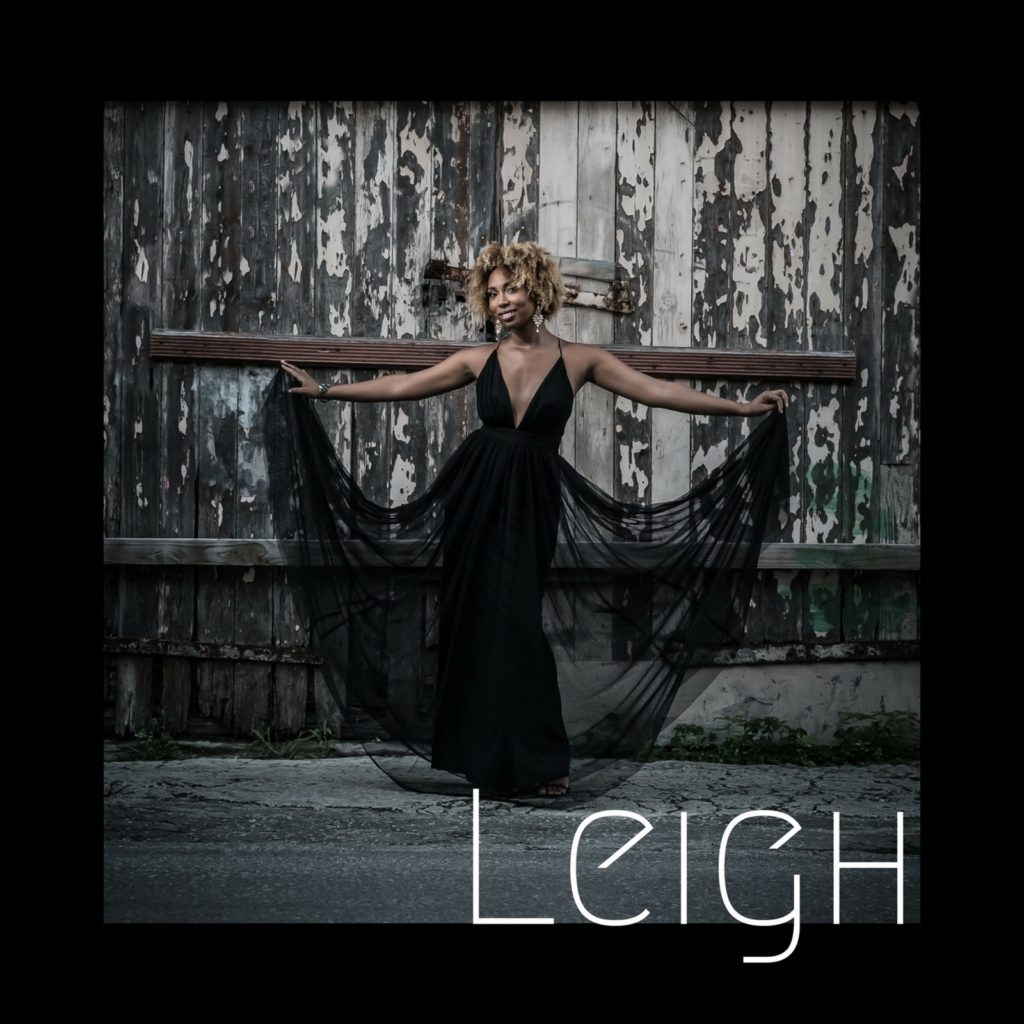
Photo provided by Leigh Phillips. Photography by Andrew Browne Photography.

Leigh Phillips, born Ashleigh Phillips, is a Barbadian singer-songwriter, independent artist and Honey Jam Barbados alum. On December 12th, she learned that she will be the Barbadian artist selected to represent Barbados on the Canadian TV series Club One New Releases. Of the opportunity she said: “I am so excited and grateful to be chosen out of so many talented artists! I can’t wait to represent Barbados, make new connections, expand the reach of my brand and learn from the experience. Performing outside of Barbados, and getting the opportunity to create something special with another band, is definitely going to be one of the highlights of 2018 for me!”

To learn more about Leigh Phillips, read the short feature we did on her below.


Zeitgeist: In five words, describe who Leigh Phillips is as an artist.

Leigh Phillips: Soulful, dreamer, passionate, introspective, empowered.

Z: Where did your love of music come from?

LP: Church and my older sister’s CD collection. I used to sneak into her room when she was out. My favorite CDs to listen to were by Coolio, Michael Jackson, Beenie Man, Buju Banton, Whitney Houston and Toni Braxton. At church I was in the choir from a young age until my teens.

Z: Why did you decide to pursue music professionally?

LP: It became increasingly hard over the years to deny my passion for music. When I returned to Barbados, and essentially had to start over, I figured why not try to do what I love and see what happens.

Z: What inspires you as an artist?

LP: I know it may seem cliché, but everything! Personal experience, nature, the experiences of others. It just depends on my mood and openness at the time to what is around me.

Photo provided by Leigh Phillips. Photography by A3KDInc.

Z: Who are some of the musicians you look up to and why?

LP: Michael Jackson; he was involved in every aspect of his music and made songs that are still relevant today. He’s timeless. Buju Banton; I love the range of topics in his music and how introspective he can be. Rihanna; I used to see her around at secondary school and now she has made herself into a mogul. Her business ventures and work ethic are amazing. Billie Holiday; there’s so much rawness and passion in her voice. Every song moves me and I aspire to bring that vulnerability to my performances. Alicia Keys; her songwriting has always touched me. I also saw her perform live and she was so authentic and effortless on stage.

Z: How does it feel to have secured your spot in Club One New Releases?

LP: It feels surreal! Each of the artists interviewed from Barbados were deserving of the spot so I’m really honored to be chosen from such a talented pool.

Z: Would you say that that has been the highlight of your career so far? If not, what has been?

LP: Yes it has been the highlight of my career so far.

Z: What made you decide to become involved in Club One New Releases?

LP: One word: Adaeze. I saw her do it last year and I followed her journey on social media. I saw her speak about the connections it allowed her to make with the Caribbean and Canadian artists and I said to myself: “I would love to do this next year.”

Z: Given that Club One New Releases is about collaborating with another artist and fusing your styles, who – living or dead – would be your dream collaboration and why?

LP: Michael Jackson would be my dream collaboration. Just to receive even a few minutes of his knowledge would be life changing.

Z: What are you looking forward to the most about being a part of next year’s Club One New Releases?

LP: Performing for new audiences and meeting the other artists. Any opportunity to work with other musicians and see their way of creating is really exciting for me.

Z: What was the inspiration behind your EP?

LP: The EP is about my personal journey to self-love. I believe that it is extremely important to learn how to make decisions that benefit your soul and embrace the freedom that comes with it.


Z: Why did you name it after yourself? Is there a special significance behind that?

LP: The EP is self-titled because it was my musical introduction to my followers. I wanted to give them a taste of who I am, where I’ve been and where I’m going.

Z: Why did you do an EP and not a full album?

LP: I wanted to test the waters first, see what was well-received and build from there.

Z: What are your career plans for 2018, aside from Club One?

LP: More gigs, release a music video, start working on my album.

Z: Any New Year’s resolutions?

LP: Focus on balancing my physical, mental and spiritual health, be open to opportunity, support other artists and do more collaborations and continue to remain true to myself.

Star Strut: Phoenix – Rising From The Ashes

0

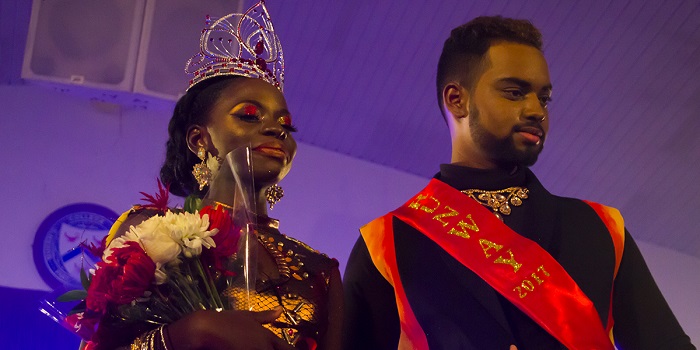
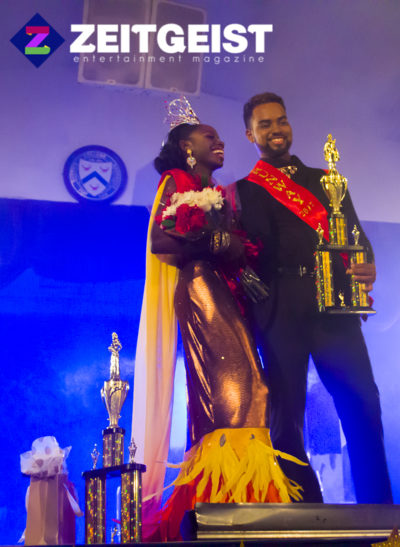
Liam Rondon and Sophia Howell were all smiles on the night of December 16th, when they emerged the victors of this year’s Star Strut: Phoenix – Rising From the Ashes at the Queen’s College auditorium. It was anyone’s game on the night as there was no clear winner even up to the moment that the judges left to tally up the final scores. However, the audience favourites for the crowns seemed to be Aaron Grimes and Gabrielle Brome (who essentially had her own cheering section, with attendees sporting sashes saying “Team Gabby”). Perhaps what pushed Rondon and Howell ahead of their competition, was the fact that they were just about the only contestants who consistently smiled.
Rondon also took home the prize for the Olympus Fashion Week segment and Howell won prizes for the Runway Phoenix and Living Art segments as well as Most Improved. Joining them in the winner’s circle were first runners up Aaron Grimes and Atara Padmore and second runners up Jamahl Burke and Kaya Barnett.

The contestants started strong with their introductory segment entitled “Olympus Fashion Week: Greek Gods”, in which they wore “fashionable, edgy, ready to wear looks” inspired by the Greek gods of myth and legend. Their costumes certainly lived up to the theme and were among the night’s best. Aaron Grimes made the biggest impression in this segment by coming out on stage on the back of a motorcycle.

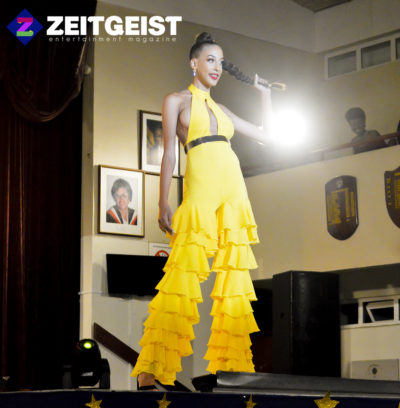
In the girls only second segment, in which the female contestant wore designs from local designer Shanna Boyce’s Fashion Couture line “Fire”, the young ladies certainly brought that “fierceness” that models are best known for. Many of them looked borderline angry, but no so too much so. With Sophia Howell being the only one who smiled. The designs in this segment were eye catching and fashionable and the contestants looked very good in them, wore them well and did their jobs as models; they sold the garments.
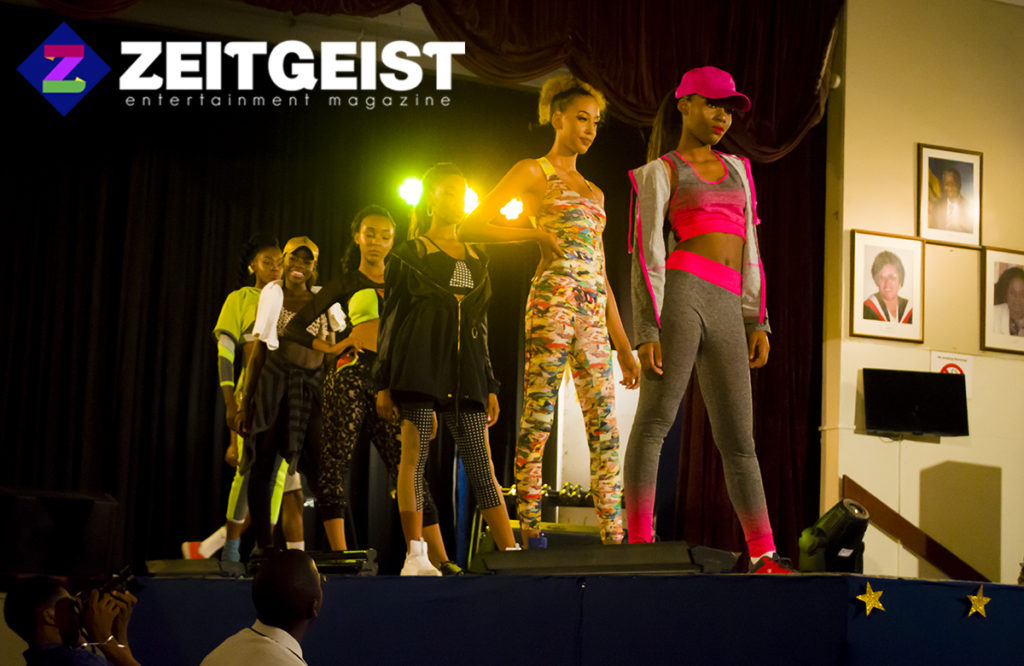
The third segment, “Fit for Fashion,” which was described by the MCs as “promoting healthy lifestyles with an eye for fashion”, saw the contestants wearing “gym and athletic wear fit for the runway.” Unfortunately, many of the looks in this segment were not consistent with that description. Aside from Liam Rondon, Gabrielle Brome, Shequanna Morgan and Atara Padmore, whose outfits did look fashionable, everyone else’s looked like basic athletic wear. Those worn by Aaron Grimes, Mark-Anthony Hinkson and Kaya Barnett came close, but didn’t quite hit their target. That being said, it was this segment that was the turning point of the competition. The contestants appeared to lose their nerves, get comfortable and bring their A-game.

Living Art was another segment which featured beautiful costumes. This was the avant-garde segment, meant to feature fashion with “bold, unconventional and artistic pieces that push the boundaries of fashion; wearable art [that combined] fabric and unconventional materials.” However, this was another example of a school model search in which the contestants and/or their designers did not understand the difference between haute couture and avant-garde fashion and seemingly thought that “avant-garde” simply means “weird.”

The majority of the costumes fell under the umbrella of haute couture. Alana Springer, Shequanna Morgan and Aaron Grimes were the three contestants whose looks entered the realm of avant-garde. Sophia Howell (who stood out by going en pointe), Xavier Dash and Liam Rondon’s fell somewhere in between haute couture and avant-garde. Overall, the female constestants’ looks were more impressive.

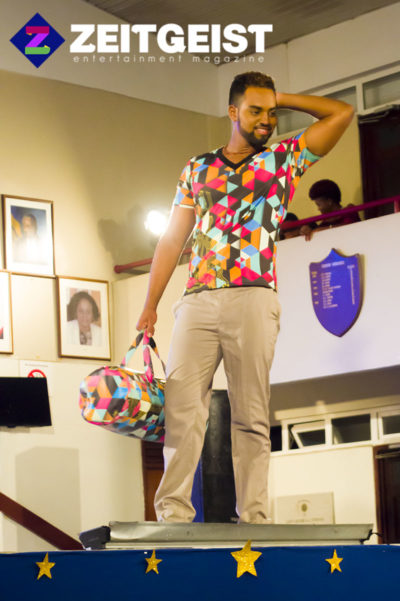
The male contestant finally got their own segment when they took to the runway in designs by Dario Barrow. The prints of the shirts worn by the boys was initially striking, but as more contestants came out and it was evident that all of the looks were slight variations of the same thing, they all blended into each other and failed to maintain the heights of the “wow” factor that came with the first contestant. This, however, had nothing to do with the contestants themselves. Just that they all wore essentially the same thing. This was the most underwhelming of all of the segments.
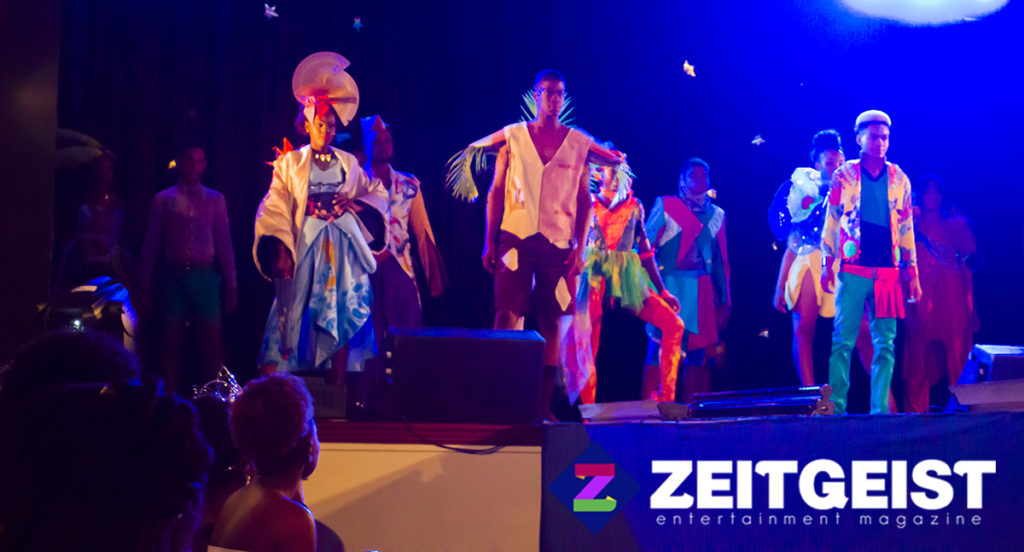
The final segment, Phoenix Runway, saw the contestants walk the runway to the accompaniment of saxophonist Romario Wilkinson. Here the contestants were to “fuse personal style and create show stopping looks that show[ed] they [were] the embodiment of the phoenix.” And that they did. Each contestant looked different from the others and the girls here again outshone the boys. Whereas it’s difficult to say which of the girls had the most beautiful gown (although Kaya Barnett makes a strong case for it being hers and Sophia Howell’s was for sure the most interesting and was, according to the designer, made the day before the competition), Liam Rondon was far and away the best dressed male, in my opinion, despite not winning the prize for this segment. Aaron Grimes, who did win the prize for the segment, embodied the theme the most.

The organisers of the show made very good choices for the entertainment. Female trio Serendipity performed Christina Perri’s “Jar of Hearts.” Singer Miles Wilkinson – who has a very nice voice, but whose performance was very controlled and didn’t exactly hit a high point or bring real emotion – sang Pink’s “What About Us.” Singer Megan Greene gave a captivating and powerful performance. She had a very mature voice and displayed incredible talent. There were rap performances by two rap groups. The latter of which, New Matter Group, featured the top three from the recent Hit Island SCR Competition.

Check out our full album of photos from the show on our Facebook page: Star Strut: Phoenix – Rising from the Ashes Album.

Here is the full list of winners:

Olympus Fashion Week: Greek Gods (Male): Liam Rondon
Olympus Fashion Week: Greek Gods (Female): Shequanna Morgan

Designer (Male): Jamahl Burker
Designer (Female): Atara Padmore

Fit for Fashion (Male): Aaron Grime
Fit for Fashion (Female): Shequanna Morgan

Living Art (Male): Aaron Grimes
Living Art (Female): Sophia Howell

Phoenix Runway (Male): Aaron Grimes
Phoenix Runway (Female): Sophia Howell

Most Improved (Male): Zion Nicholls
Most Improved (Female): Sophia Howell

Most Photogenic (Male): Zion Nicholls
Most Photogenic (Female): Kaya Barnett

People’s Choice (Male): Jamahl Burke
People’s Choice (Female): Gabrielle Brome

Director’s Award of Excellence: Aaron Grimes

Second Runner Up (Male): Jamahl Burke
Second Runner Up (Female): Kaya Barnett

First Runner Up (Male): Aaron Grimes
First Runner Up (Female): Atara Padmore

Winner (Male): Liam Rondon
Winner (Feale): Sophia Howell

Popdown Podcast Episode 9 – Infinity League Wars [SPOILERS!!!]

0

And we’re back! After being on hiatus for about half of the year, Popdown Podcast has returned with our reaction to the Infinity War trailer, our discussion of Justice League and our predictions for The Last Jedi [yes, we know the film is out already but the podcast was recorded about two weeks ago. Life happened so it’s late. Life is also why we were on hiatus in the first place].

So settle in for a fairly long episode of Popdown Podcast and share your thoughts on everything we discussed in the comments.